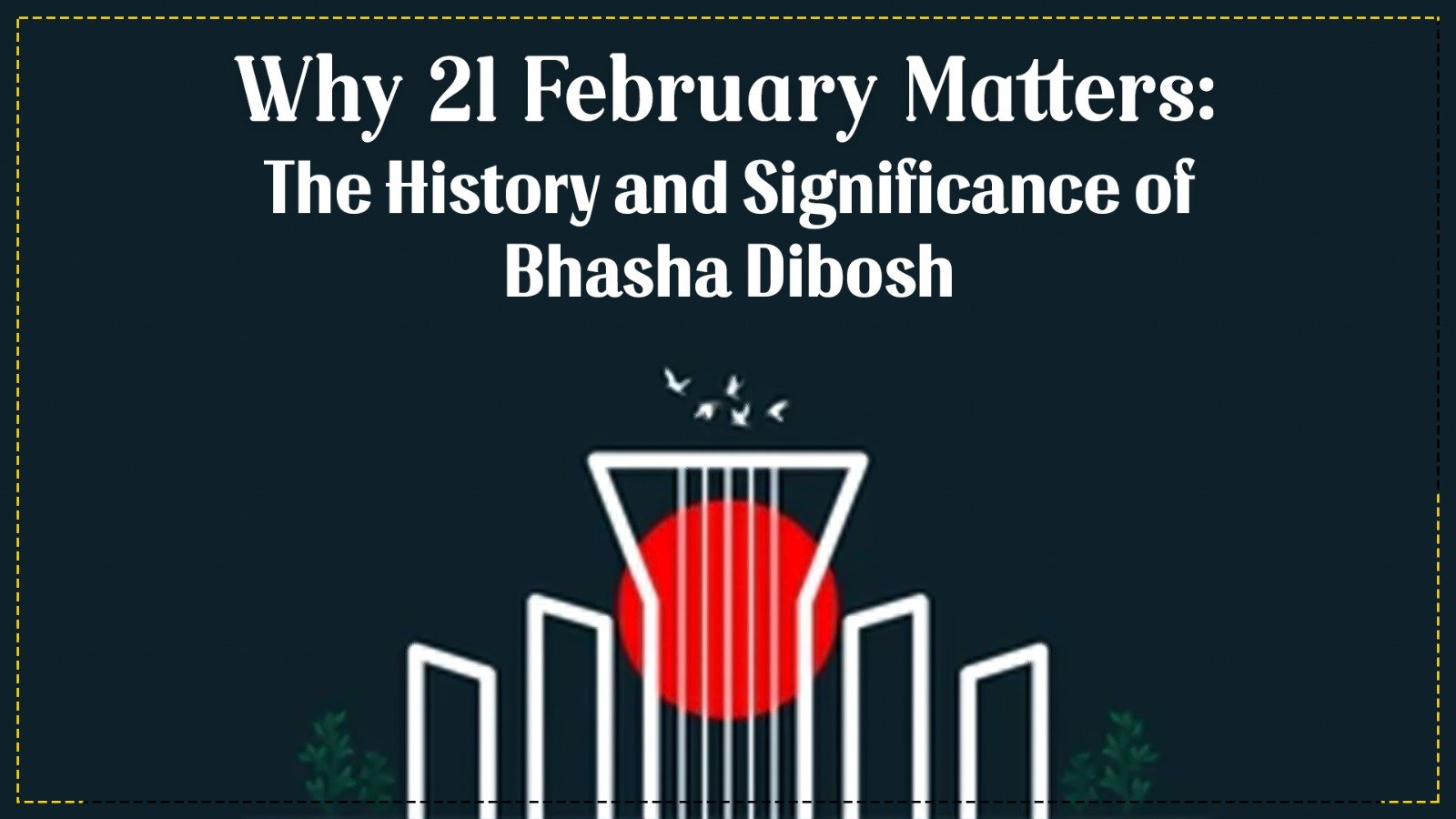
Bhasha Dibosh, observed on 21 February, is a powerful reminder of the deep connection between language, identity, and cultural freedom. The day commemorates the historic Language Movement of 1952 in what is now Bangladesh, when students and activists sacrificed their lives to protect their mother tongue, Bangla. Today, it is recognized globally as International Mother Language Day by UNESCO, highlighting the universal importance of linguistic diversity.
Historical Background
In 1947, after the partition of India, Pakistan was formed with two geographically separate regions — West Pakistan and East Pakistan (present-day Bangladesh). Despite the majority of the population in East Pakistan speaking Bangla, the government declared Urdu as the sole state language. This decision sparked widespread protests, especially among students in Dhaka.
On 21 February 1952, peaceful demonstrators gathered to demand recognition of Bangla as an official language. The protest turned tragic when police opened fire, killing several students. Their sacrifice became a turning point in the struggle for linguistic rights and later inspired the broader movement for independence.
Significance of Bhasha Dibosh
The day symbolizes more than a historical event — it represents the right to speak, learn, and preserve one’s mother tongue. Every year, people pay tribute at the Shaheed Minar, laying flowers to honor the martyrs.
Globally, the observance promotes:
Linguistic diversity and multilingual education
Cultural preservation
Respect for linguistic rights
Relevance Today
In an increasingly globalized world, Bhasha Dibosh reminds us that languages are carriers of heritage, knowledge, and identity. Protecting them ensures cultural continuity and inclusivity. The day encourages governments, educators, and communities to support mother-tongue learning and safeguard endangered languages.